Water Hammer Noise in Pipes Causes and Fixes
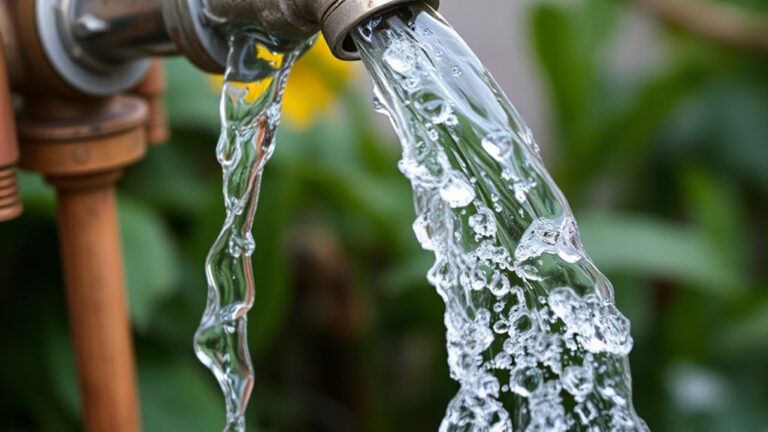
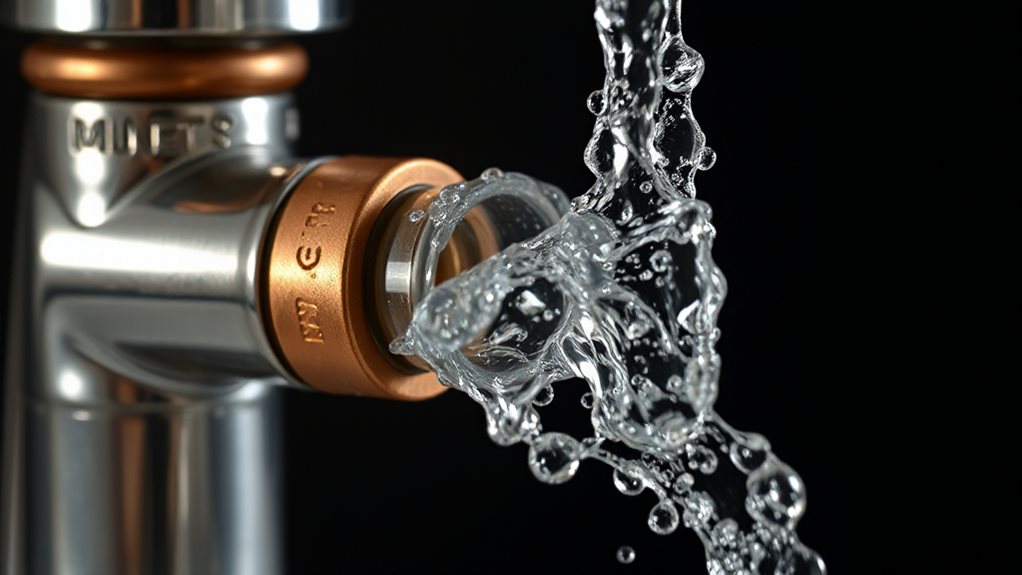
That loud bang when you shut off the faucet? Yep, it’s water hammer—sudden stops in water flow create shockwaves, especially with fast-closing valves or trapped air pockets. Loose pipes rattle like a tent in a storm, and high pressure makes it worse. You can fix it by draining the system, securing pipes, or installing air chambers. And hey, if your home sounds like a drum solo, there’s more where that came from!
TLDR
- Sudden valve closure creates shockwaves in pipes, causing loud banging known as water hammer.
- Trapped air or high water pressure amplifies noise and increases risk of pipe damage.
- Loose pipe supports allow movement, worsening noise and potential impact damage.
- Install slow-closing valves or surge tanks to absorb pressure spikes and prevent hammer.
- Persistent banging or leaks, especially in older systems, require professional plumbing inspection.
What Causes Water Hammer in Pipes?
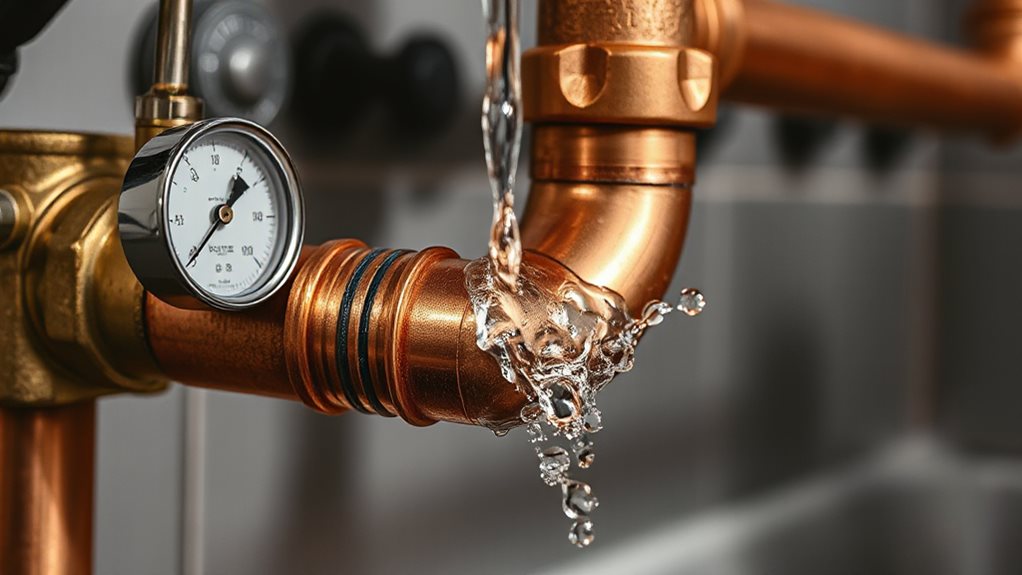
Ever had that moment when you shut off the faucet and—bam!—your pipes start throwing a tantrum like they’re in a rock band? That’s water hammer, and it’s no joke when you’re trying to enjoy a peaceful camping trip or help fix a neighbor’s leaky sink.
Fast valves, loose pipes, worn parts, gunk buildup, or even wobbly tanks can turn your quiet home into a percussion concert—let’s unpack why! Sudden valve closures create shockwaves that travel through the pipes, and this rapid stoppage of water flow is a primary trigger for the phenomenon known as (water hammer). Additional common causes include loose pipe supports that allow piping to bang against framing when the flow is suddenly interrupted.
How Does Steam Hammer Differ?
While water hammer might sound like your pipes are throwing a mini drum solo, steam hammer? That’s a full-blown rock concert with demolition vibes!
It happens when steam suddenly collapses, pulling condensate slugs together with crazy force—like a vacuum-powered sledgehammer.
Found in steam lines with poor drainage, it’s riskier, faster, and way louder.
Protect your system, and everyone nearby, by trapping and draining condensate right.
Safety first, friend!
Remember that proper ventilation and monitoring with a carbon monoxide detector can protect people working near steam systems.
Other Causes of Water Hammer Beyond Valves
Okay, let’s plunge into what’s *really* shaking things up in your pipes—because water hammer isn’t just about slapping a valve shut like a dramatic finale. Trapped air? Yep, it’s like a bubble wrap explosion inside your lines.
High pressure? That’s a surge superstar. Loose pipes? They’ll bang like a drummer gone wild. And old, gunky systems? They’re just asking for trouble.
Secure those lines, ease the pressure, and let air escape—your plumbing will thank you! Sealing vents and controlling moisture in crawl spaces can help protect pipes from damage and reduce issues like frozen pipes during cold weather.
How Pressure Spikes Damage Pipes and Fittings
So you’ve got air pockets throwing a rave inside your pipes, or maybe your system’s running hotter and tighter than a drum at a rock concert—sound familiar?
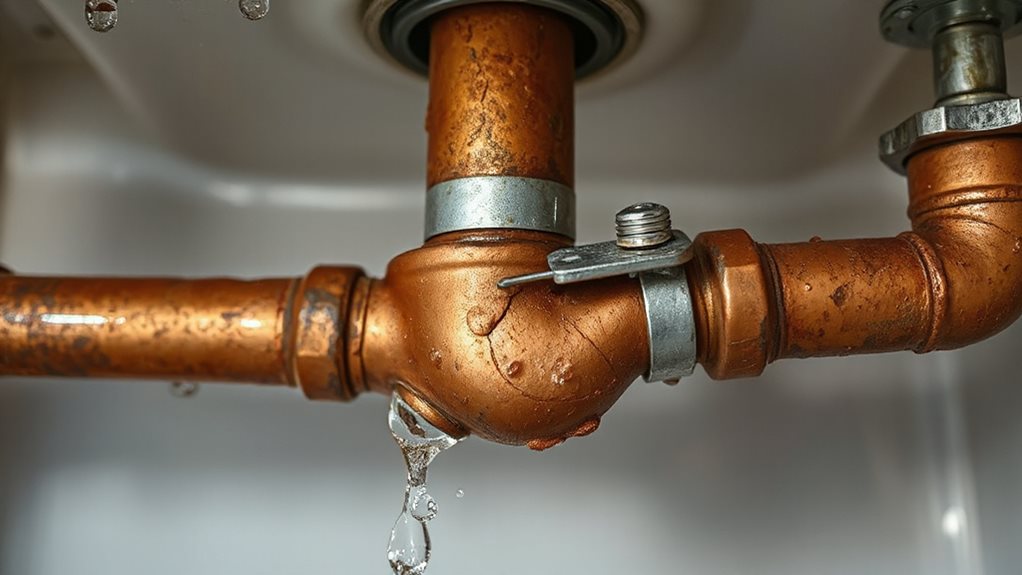
When pressure spikes hit, they slam through like a rogue wave, busting pipes, trashing joints, and wrecking valves.
Those sudden stops crank stress way up, especially at elbows, where fittings get hammered.
Keep an eye out—tiny leaks today mean big floods tomorrow, and nobody wants a surprise indoor pool on their campout!
Also, connections between different materials like PVC and cast iron need proper couplings to avoid failures from vibration and pressure surges (see no-hub couplings).
Designing Pipes to Avoid Water Hammer
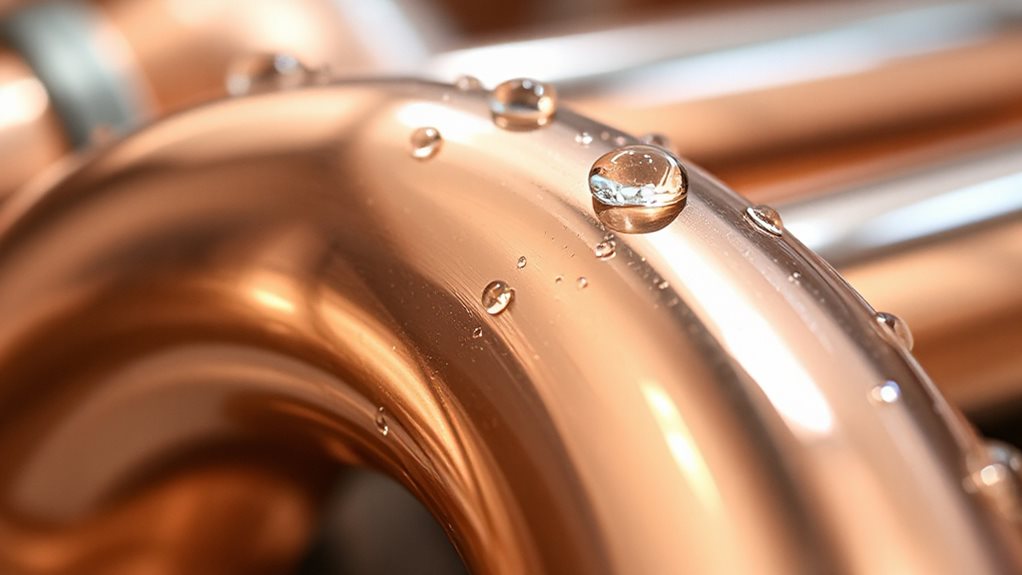
Envision this: you’re out camping, miles from the nearest plumbing disaster, but back home your pipes are throwing a tantrum every time someone flushes the toilet—talk about bad timing!
Want to stop the chaos? Size pipes bigger so water flows slower, use PVC or HDPE to soften surges, pick slow-closing or non-slam valves, add surge tanks, and secure everything tight—your future self (and pipes) will thank you! Proper pipe sizing also helps control flow velocity, which reduces the risk and severity of water hammer.
Quick Fixes for Banging Pipes
Alright, so you’ve already taken the smart steps to prevent water hammer by sizing pipes right and using flexible materials like PVC—great job, future plumbing pro!
Now, let’s tackle those pesky banging pipes. Try draining your system completely—shut off the main, open all faucets top to bottom, flush toilets, then wait. Reopen faucets from lowest to highest to let air escape smoothly. Easy, right? It’s like burping your plumbing!
Signs You Need a Plumber for Water Hammer
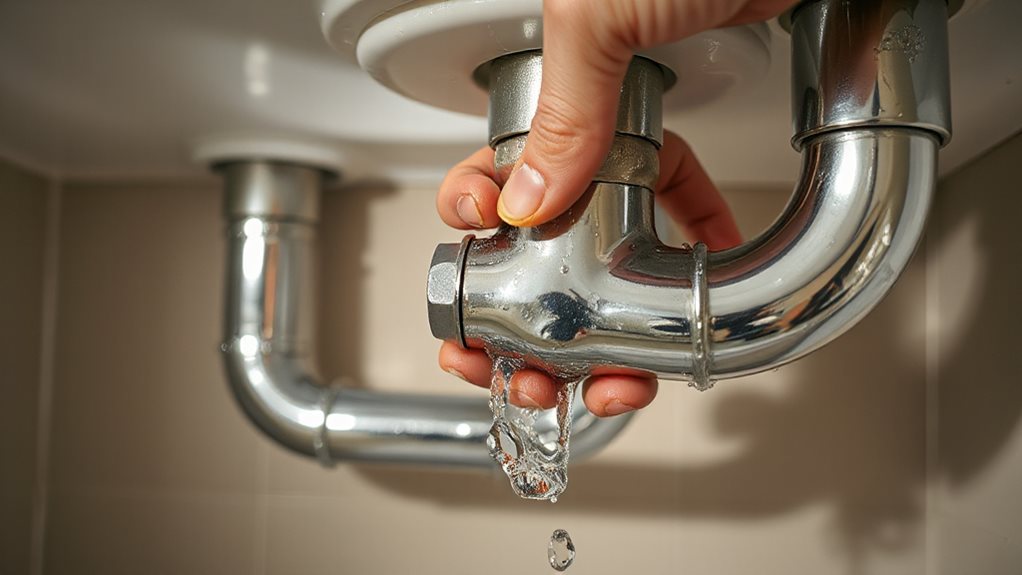
Ever wonder why your pipes are throwing a rock concert every time you shut off the faucet? If they’re banging, rattling, or making gurgling sounds like a confused swamp creature, it’s time to call a plumber.
Loose fittings, high pressure, or waterlogged air chambers could be stressing your system—especially in older homes.
Don’t wait for a burst pipe surprise! A pro can fix it fast, so you’re back to enjoying quiet plumbing, not plumbing drama.
Overall
So, you’ve tackled that pipe-banging beast—awesome! Water hammer’s no joke, but now you know it’s not magic, just science throwing a tantrum. Fixed it? High five! Still clanking? Don’t sweat it, call a pro. Either way, peace at home means more fun camping, roasting marshmallows, and *not* listening to pipes scream like haunted teakettles. Stay curious, stay calm, and remember: quiet pipes = happy trails, my friend!